Are you a Junior Military Officer from a Tier I school, Service Academy graduate, and/or a college athlete? Do you have a strong track record of performance? Are you geographically flexible?
If you answered “yes” to any or all of these questions, you are a perfect fit for a Leadership Development Program (LDP).
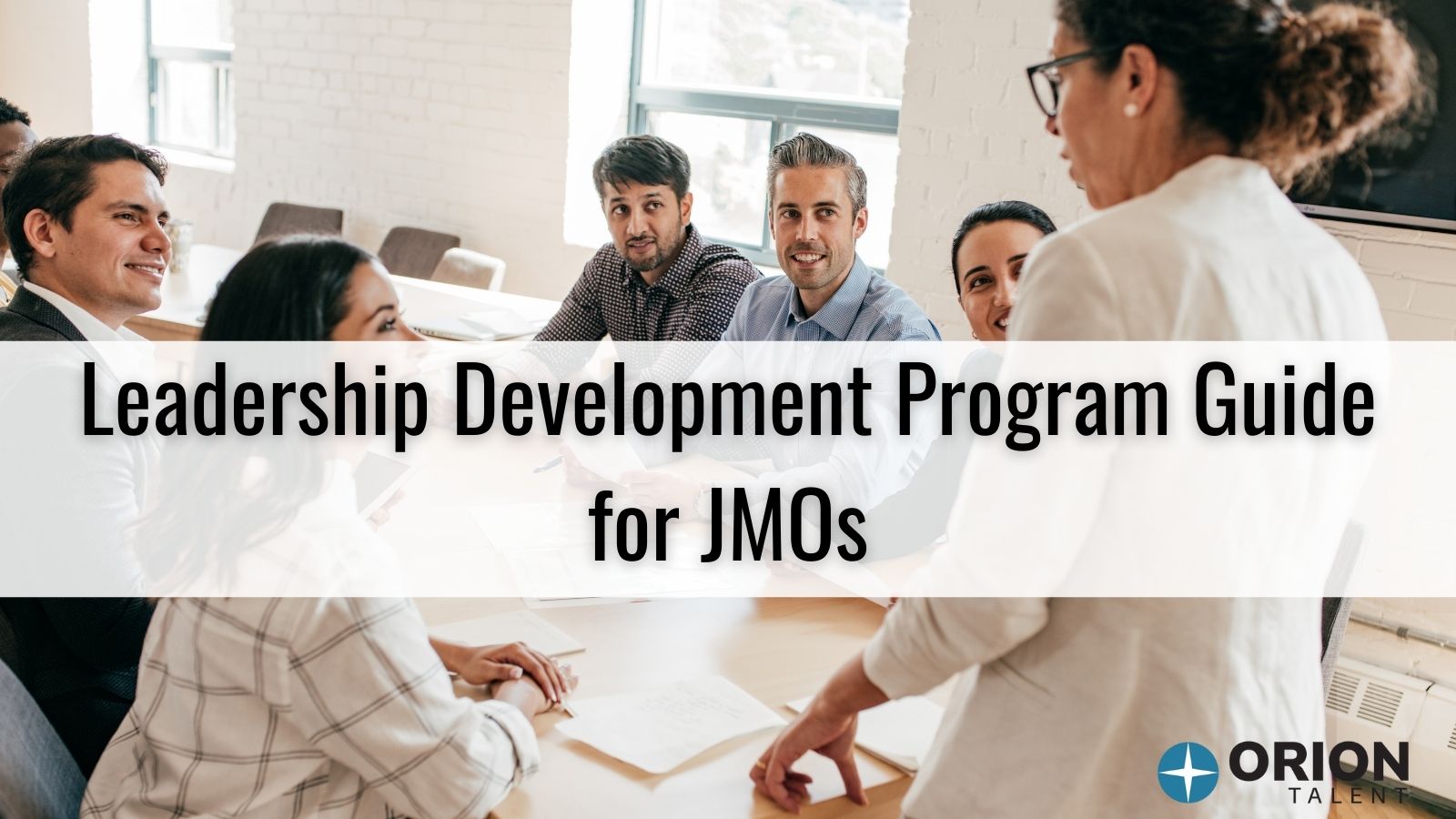
Leadership Development Programs are designed for those that have proved themselves to be a valued team member and have a desire to become a business leader. LDPs allow you to fast-track your professional growth in a way that a standard position cannot compete.
Read on to learn more about why you should pursue a career in an LDP, typical positions within the program, and keys to a successful LDP interview.
Why a Leadership Development Program?
A Leadership Development Program (LDP) is a great way to parlay your leadership skills in your next career. LDPs are specifically designed for Junior Military Officers who have a strong track record of performance and geographic flexibility and that are looking to progress to the upper echelons of management.
As you progress through the LDP, you will gain valuable experience needed to lead and succeed at the highest levels within the organization, as well as increase your knowledge base by gaining exposure to various business units within the company. LDPs offer rotational opportunities, hands-on mentoring, classroom development, and varied assignments. Due to the overall level of training and vast resource commitment provided by a company, LDP opportunities are not as common as traditional management, engineering, or sales opportunities. Presently, only a small percentage of companies offer these resource intensive programs.
Typical Positions in a Leadership Development Program
Here are some of the most common positions available to transitioning military officers within a Leadership Development Program:
Operations Leadership Development Program
Typical operations LDPs will require new team members to complete initial training, rotate through various operational facilities for both on the job training and curriculum based training, and work with LDP mentors on a periodic basis. Some Operations LDPs will require you to rotate through various business units, as well, to gain exposure to marketing, finance, sales, and other roles. This provides the understanding of the business you will need to function as a future leader in the organization, but may also result in helping you find your niche within the organization. After completing this type of LDP, you will be assigned a permanent role in operations.
Sales & Marketing Development Program
A Sales and Marketing Development Program can start an exciting career within a company. This structured program combines various business and technical learning workshops, networking opportunities with various levels of the organization, and separate job rotation assignments. Rotations typically include a field sales assignment, a marketing assignment, and other various business unit assignments. Participants receive hands-on mentoring, travel opportunities, classroom development, and networking opportunities.
Engineering Development Program
Engineering Development Program (EDP) participants are typically placed at a manufacturing plant or oil and gas refinery for training. During this time, the participant will be mentored by seasoned technical professionals and motivated by the vast technical challenges found in these environments. Examples of formal training include:
-
Safety leadership
-
Manufacturing processes and product
-
Applied statistics
-
Leadership development
Career Progression in a Leadership Development Program
There are several career paths you can follow with a Leadership Development Program. You can stay in Operations Management or move into Technical Services, Engineering, IT, Human Resources, or Loss Prevention with the right qualifications. A successful Operations Manager can move into a Senior Manager position as early as two years. The willingness to relocate will increase promotion potential significantly.
Keys to a Successful Interview for a Leadership Development Program
Generally, the key to a successful Leadership Development Program interview is to focus on track record of performance and your most significant achievements throughout your career. Focus on relevant examples from your past that are translatable in your new work environment. Specific examples (with places and names) add depth and meaning to your answers. Some additional points of focus during a Leadership Development Program interview:
Have a game plan.
Anticipate the questions you will be asked, and prepare your answers in advance.
Focus on your track record of performance.
Give good examples to show that you have the ability to succeed in whatever you do.
Focus on the skills needed for the LDP.
Stress your leadership, sales aptitude, or technical experience.
Focus on your growth/promotion potential.
Your leadership skills are important, but so is your ability to learn and grow.
Let them know you are flexible and open to relocate.
Geographic flexibility is essential to most Leadership Development Programs.
Interested in learning more about Leadership Development Programs?
An LDP is a great way to get your foot in the door with a company and quickly grow professionally within an organization. Listen to this podcast episode to learn more about a JMO’s experience in a Leadership Development Program, and register to discover the LDP opportunities Orion currently has with top-tier companies.
Archives
- October 2026
- September 2026
- August 2026
- July 2026
- June 2026
- May 2026
- April 2026
- March 2026
- February 2026
- January 2026
- December 2025
- November 2025
- October 2025
- September 2025
- August 2025
- July 2025
- June 2025
- May 2025
- April 2025
- March 2025
- February 2025
- October 2024
- May 2024
- March 2024
- February 2024
- January 2024
- December 2023
- November 2023
- October 2023
- September 2023
- August 2023
- July 2023
- June 2023
- May 2023
- April 2023
- March 2023
- February 2023
- January 2023
 RSS Feed